

For most young adults, the first major financial milestone is not opening a bank account or receiving their first payslip. It is receiving confirmation of funding, or securing the finances needed to attend university or college, and supporting the realities of student life. This is essential, and it represents an important first step in ensuring students can make the most of their university experience while building the foundations for future success.
The reality of student life is very complicated. Students are expected to make funding stretch across accommodation, transport, food, textbooks, subscriptions, travel home, emergencies, and an active social life, all while managing rising living costs and, for many, doing so independently for the first time. For first-year students especially, the adjustment can be dramatic. What appears on paper as financial support often feels, in practice, like an exercise in constant balancing.
This is one of the reasons why summer has become such a critical moment in the student financial calendar. Historically, a summer job was viewed as supplementary income, a way to earn extra spending money before returning to university in the autumn. Today, that framing feels outdated. For many students, summer employment is no longer optional, it is a core component of their financial strategy.
Across the UK, students are increasingly using the summer months to build what can only be described as portfolio incomes. They are working in hospitality and retail, taking internships, tutoring online, freelancing through digital marketplaces, selling handmade products, building creator channels, and monetising niche skills that previous generations may never have thought to commercialise. This entrepreneurial mindset reflects a generation that has become highly pragmatic about money. They understand that financial resilience often requires multiple income streams, rather than reliance on a single source of support.
Yet this new financial sophistication has created its own complexity. Today's students are navigating an ecosystem of disconnected tools. Their bank account sits in one app. Their budgeting tool sits in another. Their messaging happens elsewhere. Their social planning takes place across multiple platforms. Their payments are split between bank transfers, digital wallets, and peer-to-peer apps. Their group chats often function as informal accounting ledgers, filled with screenshots, reminders, and repayment requests. What this reveals is that modern student finance is not simply an individual challenge - it is a social one.
Student life is inherently communal. Students share flats, meals, taxis, subscriptions, travel plans, and experiences. Their money is constantly intersecting with the people around them. Yet the financial tools designed for them still assume that budgeting is a solitary activity, undertaken in isolation.
That assumption no longer holds. Students do not manage money alone. They manage it with their friends, housemates, coursemates, and partners. They negotiate costs collectively. They plan spending socially. They absorb financial stress relationally.
It is precisely this gap between financial support and financial experience that creates an opportunity for a new kind of platform. This is the context in which ZYMIX becomes particularly relevant. While mainstream digital platforms have spent the past decade optimising for attention, with more ads, louder algorithms, and longer periods of passive scrolling, many younger users have begun to push back. They are increasingly fatigued by platforms that demand attention without providing utility. What they want instead are digital environments that make their lives easier.
ZYMIX is being built around that shift in expectation. Rather than treating social interaction and practical utility as separate categories, it recognises that, for young adults, they are deeply connected. Its premise is simple but powerful: social at the core, services in extension.
For students in London and beyond, this means a platform that combines communication, community, short-form content, and practical everyday tools within a single ecosystem. It means planning a night out and splitting the bill in the same space. It means organising a flat dinner without leaving the app to calculate everyone's share. It means managing the realities of shared student life without the friction that usually accompanies it. The significance of features such as bill-splitting and wallet management should not be underestimated. On the surface, they appear functional. In practice, they address one of the most persistent social tensions in student life: money awkwardness.
By removing the friction of shared expenses, these tools do more than simplify payments, they reduce emotional stress and improve social confidence. Recognising that financial wellbeing is inseparable from social wellbeing is essential. It means understanding that budgeting is not merely a spreadsheet exercise. It is a lived, emotional, and communal experience. It also means building tools that support students not just as borrowers, but as people.
Student finance may still be the gateway to higher education, but it is no longer enough on its own.
The next chapter of student support will be written by the platforms that help students navigate everyday life more confidently, more collaboratively, and with less friction. That is the future ZYMIX is positioning itself to serve, and it is exactly the kind of innovation this new generation has been waiting for.
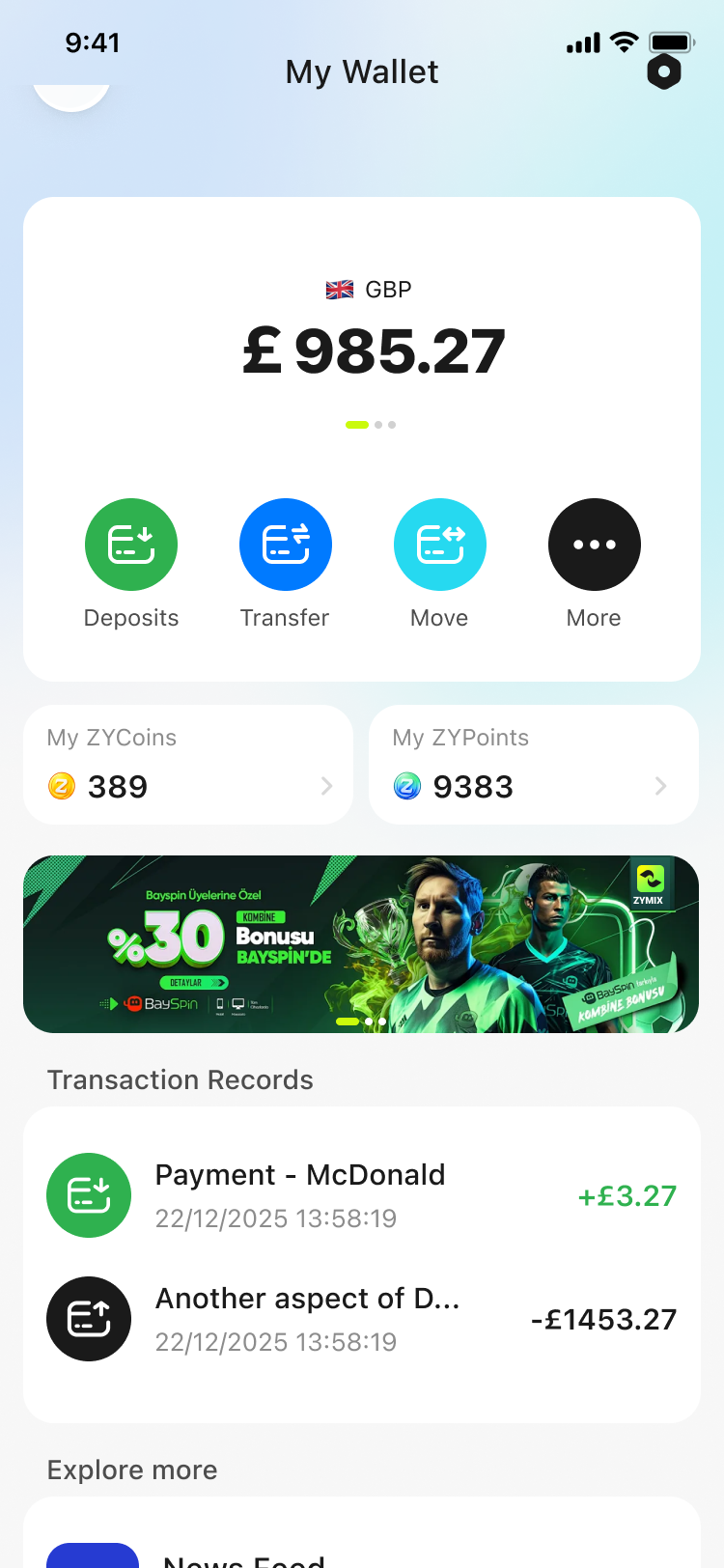
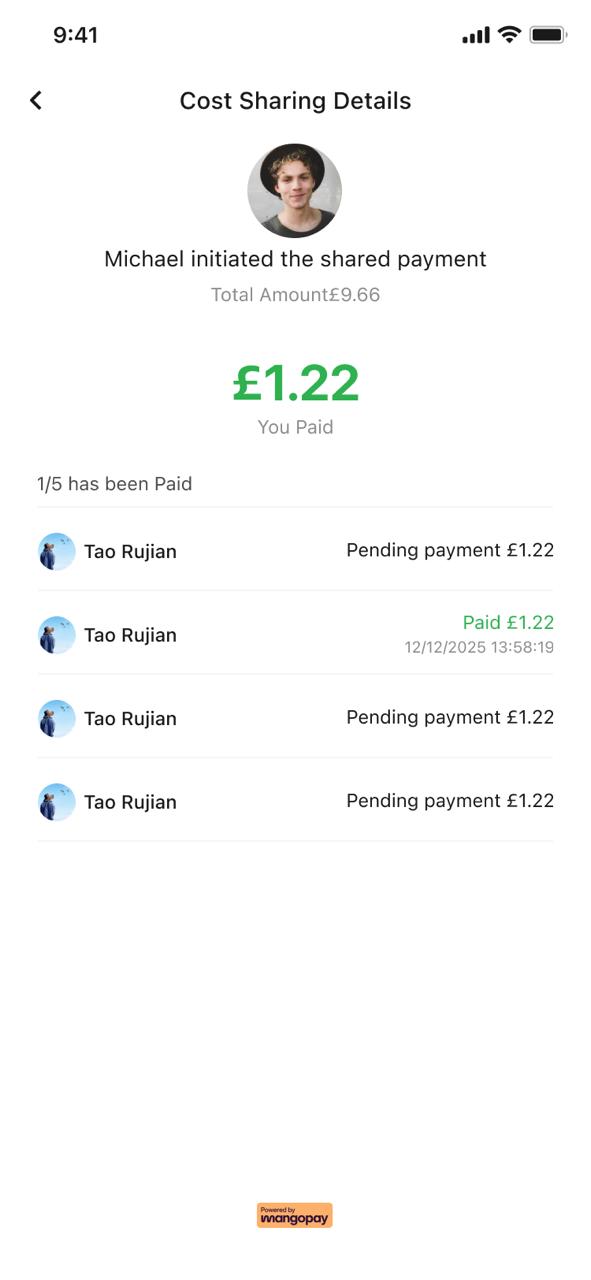
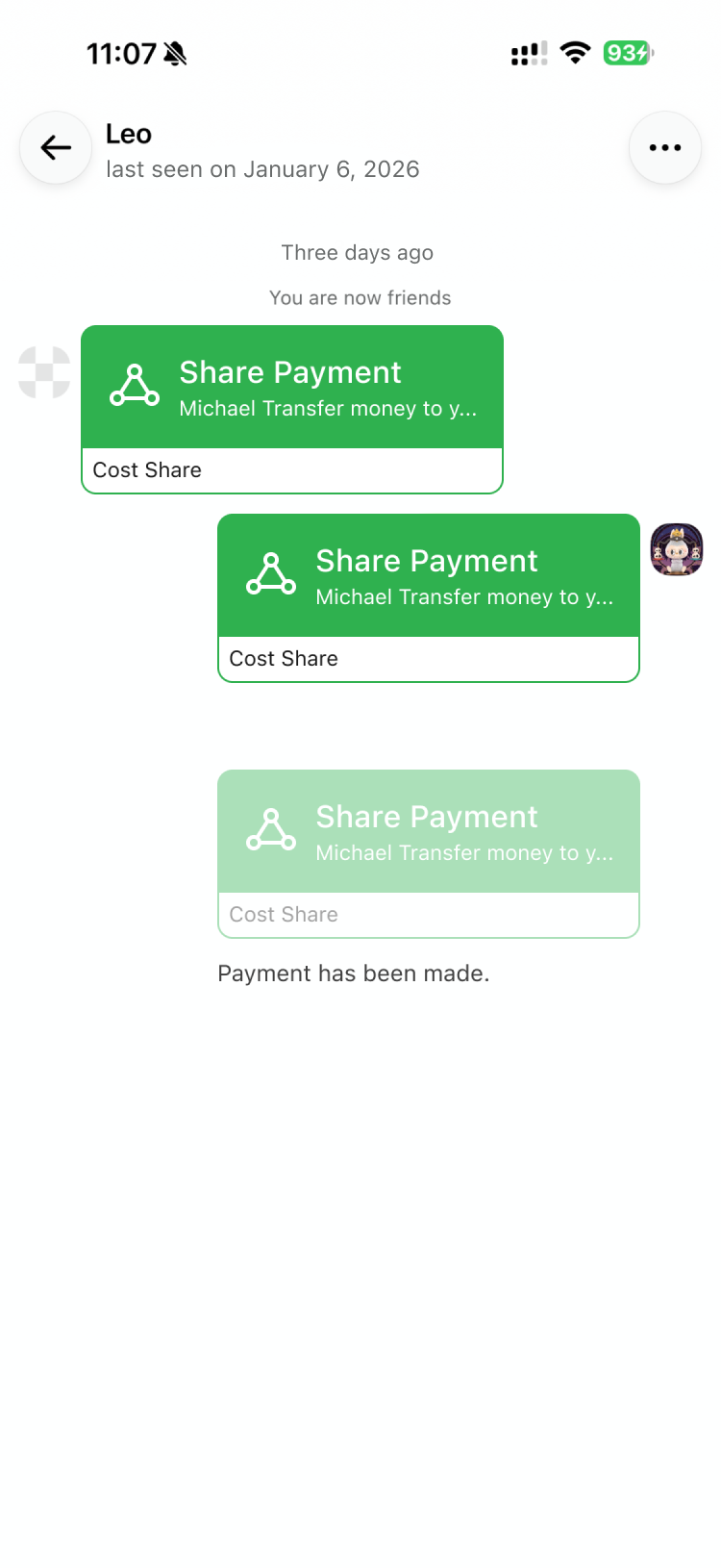
ZYMIX launches across UK universities in Autumn 2026. Join the first wave and get early access by downloading ZYMIX on the App Store or Google Play.

