

Each year, Mental Health Awareness Week encourages an important public conversation about wellbeing, resilience, and the ways in which our emotional health shapes every aspect of our lives. Over time, these conversations have become more open and more sophisticated. Topics that were once approached with hesitation are now discussed with greater honesty and compassion, particularly among younger generations who have played a significant role in normalising conversations around mental health.
That cultural shift matters. Yet, this year's theme, Action, offers a timely reminder that awareness alone is only the beginning. Real progress depends on what follows. It depends on whether individuals, communities, institutions, and brands are prepared to translate awareness into meaningful, everyday action.
At ZYMIX, this idea feels particularly relevant. As a brand built around young adults, culture, and the realities of modern digital life, we have always believed that wellbeing cannot be treated as separate from the environments in which young people live, study, socialise, and increasingly, spend their time online. If we want to contribute meaningfully to conversations about mental health, we must first understand the pressures shaping young people's daily lives, and then ask what practical role we can play in supporting them.
That belief is what brought us to campuses across London this week.
During Mental Health Awareness Week, the ZYMIX team spent time at universities across King's Cross, Elephant & Castle, and Greenwich, speaking directly with students who had just completed one of the most emotionally demanding periods of the academic year: exam season.
The atmosphere was striking. There was relief, certainly, the visible release of tension that follows weeks of sustained pressure, but there was also something more layered beneath the surface. Students described exhaustion that extended far beyond physical tiredness. It was the fatigue that comes from prolonged concentration, interrupted sleep, and the mental burden of carrying expectations for weeks at a time.
Many laughed about their 'post-exam faces,' but the reality behind that humour was familiar to anyone who has experienced academic pressure: late nights spent revising, recorded lectures replayed repeatedly, handwritten notes revisited until they became almost unreadable, and the quiet panic of trying to retain months of knowledge under the pressure of a single deadline.
Yet what stood out most was not the stress of exams themselves, but the emotional complexity of what comes after.
For some students, finishing meant celebration and freedom. For others, it introduced a new form of anxiety: concerns about results, uncertainty about future plans, and the uncomfortable feeling of losing the structure that exams, however stressful, had provided. Final-year students spoke about graduation not only with excitement, but with apprehension about entering adulthood, professional life, and a far less predictable future. These conversations reinforced an important truth: mental health is not only challenged in moments of obvious crisis. It is equally shaped by transition, uncertainty, and the emotional consequences of change.
Perhaps unsurprisingly, nearly every conversation we had eventually returned to the same subject: social media.
This was not because students viewed it negatively. On the contrary, most described social media as an essential part of how they maintain friendships, discover opportunities, relax, and remain connected to the wider world. For many young adults, digital platforms are not separate from life, they are woven directly into it.
At the same time, there was a clear recognition that this relationship has become increasingly complicated. Students spoke about feeling overstimulated by constant notifications, emotionally affected by endless comparison, and mentally drained by habits they often struggled to control. Several described the now-familiar experience of opening a social platform with a clear purpose, only to realise much later that they had lost both time and energy without gaining anything meaningful in return.
This is where the conversation about mental health becomes more nuanced. The issue is not whether social media is 'good' or 'bad.' That binary no longer serves us. The more important question is whether our digital habits are supporting our wellbeing, or quietly undermining it.
We are not interested in rejecting digital culture. It is where young people live, communicate, and express themselves. Instead, we believe in improving the relationship people have with it. We believe in making social media more intentional, more conscious, and ultimately healthier for the people who use it. In that sense, our role is not simply to participate in digital culture, but to help reshape it.
At ZYMIX, we talk about style, culture, and identity. However, those conversations have always been about something larger than clothing or content. They are about belonging. They are about confidence. They are about creating spaces, both online and offline, where young adults feel understood rather than pressured. That is why Mental Health Awareness Week matters to us.
It is not a marketing moment. It is an opportunity to reflect on how our new generation is living, what pressures it is carrying, and how we can contribute positively to that reality.
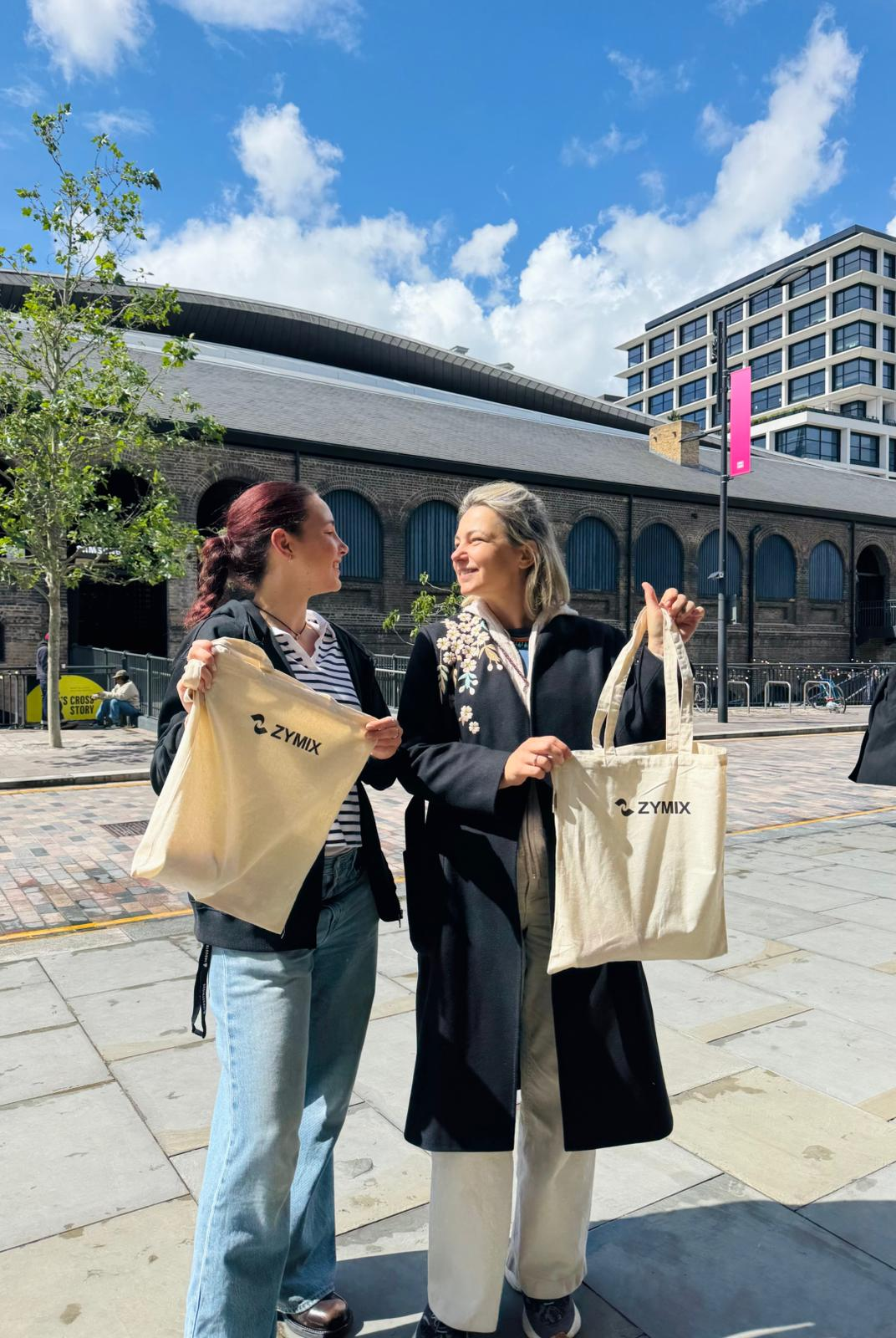
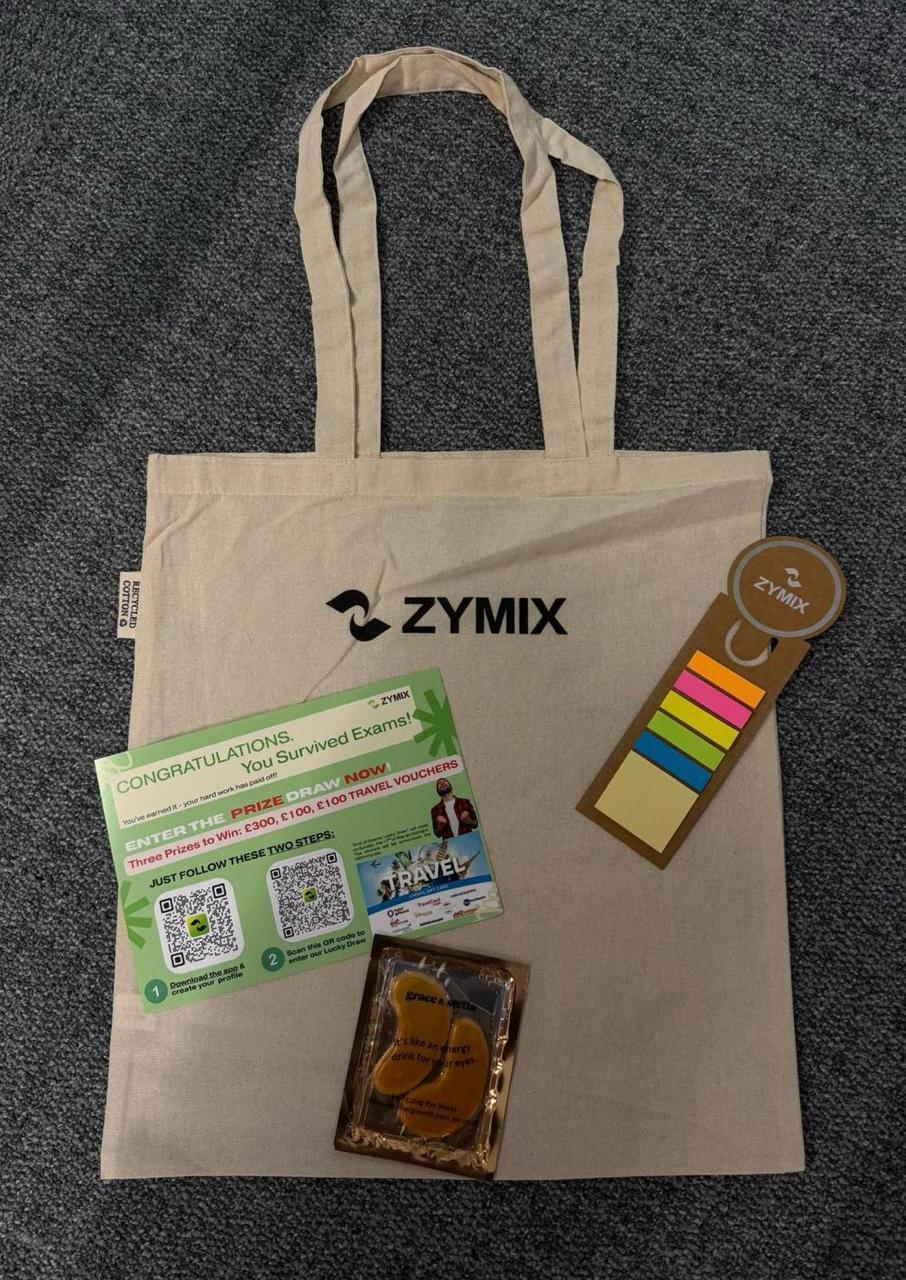
This week, ZYMIX team members wore the campaign's signature green on campus, handing out goodie bags with eye masks, and notepads to the exam survivors! It started conversations. It encouraged honesty. It reminded us that support often begins not with solutions, but with presence.


ZYMIX launches across UK universities in Autumn 2026. Join the first wave and get early access by downloading ZYMIX on the App Store or Google Play.

